Machine Learning
 |
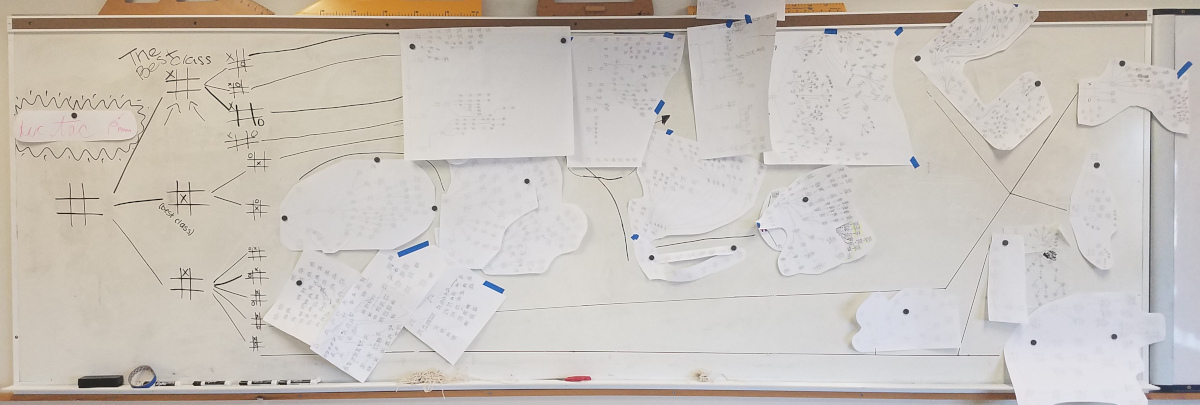
Machine learning is the study of computational models with paramters that can be optimized in an automated way to improve performance. |
A brief and selective history of AI
1940
1945
1950
1955
1960
1965
1970
1975
1980
1985
1990
1995
2000
2005
2010
2015
2020
2025
A brief and selective history of AI
1940
1945
1950
1955
1960
1965
1970
1975
1980
1985
1990
1995
2000
2005
2010
2015
2020
2025
^
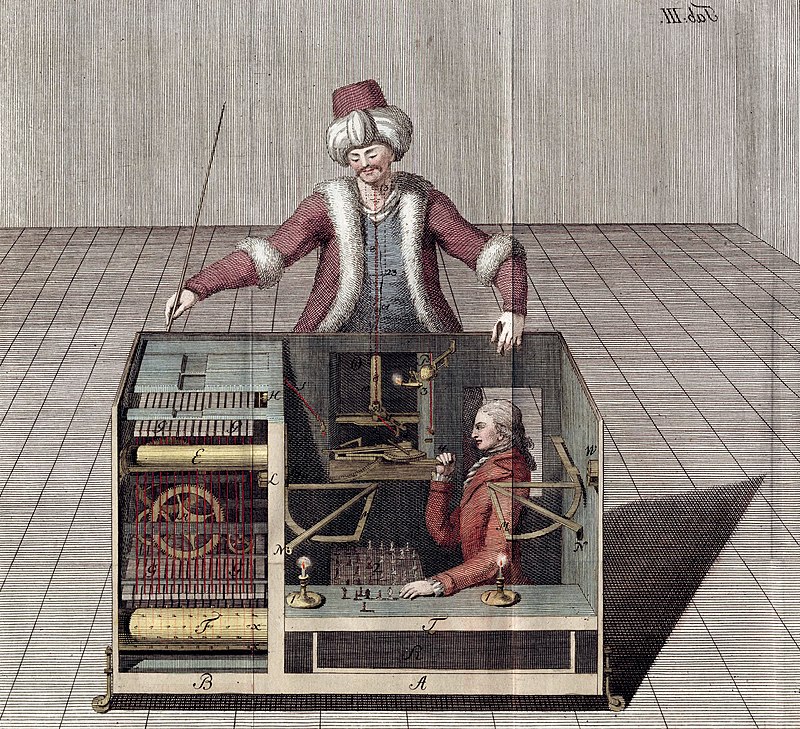
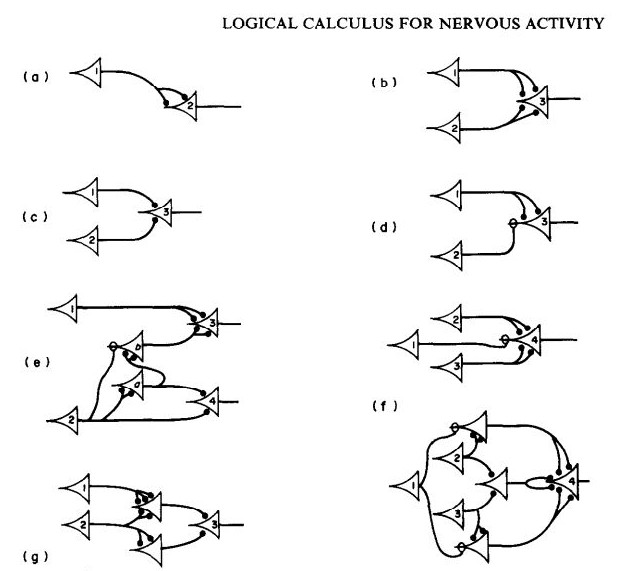
| McCulloch, W. S., & Pitts, W. (1943). A logical calculus of the ideas immanent in nervous activity. The Bulletin of Mathematical Biophysics, 5(4), 115–133. |
|
A brief and selective history of AI
1940
1945
1950
1955
1960
1965
1970
1975
1980
1985
1990
1995
2000
2005
2010
2015
2020
2025
^
|
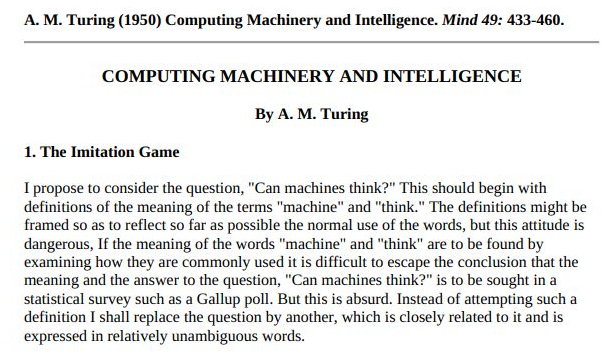
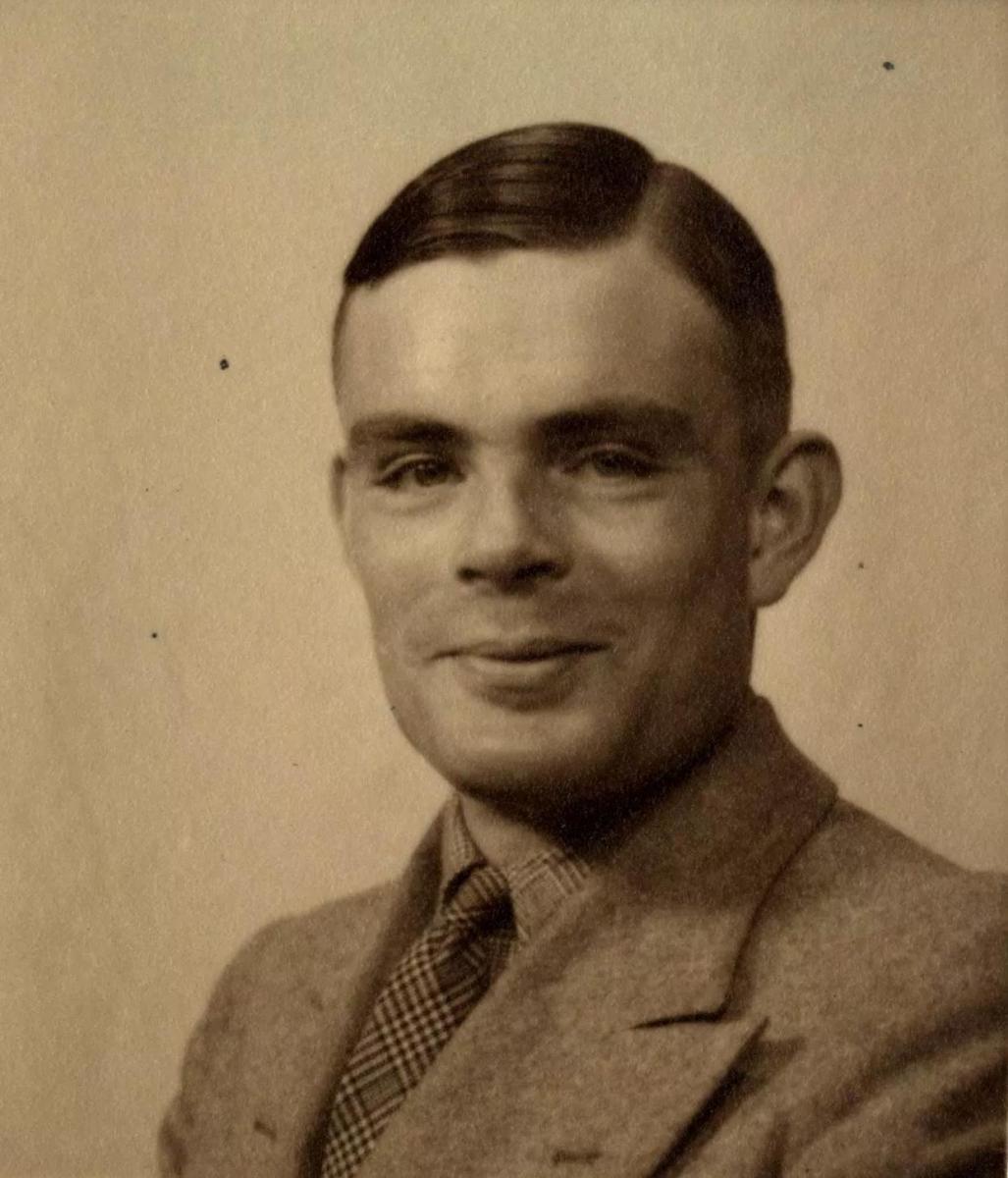
Turing, A. M. (1950). Computing machinery and intelligence. Mind, 59, 433–460.
|
A brief and selective history of AI
1940
1945
1950
1955
1960
1965
1970
1975
1980
1985
1990
1995
2000
2005
2010
2015
2020
2025
^
|
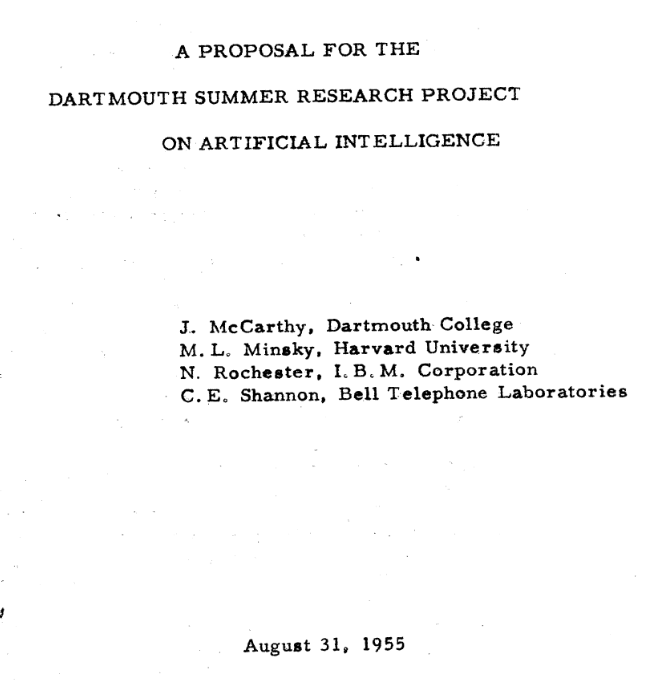
Workshop topics
|
A brief and selective history of AI
1940
1945
1950
1955
1960
1965
1970
1975
1980
1985
1990
1995
2000
2005
2010
2015
2020
2025
^
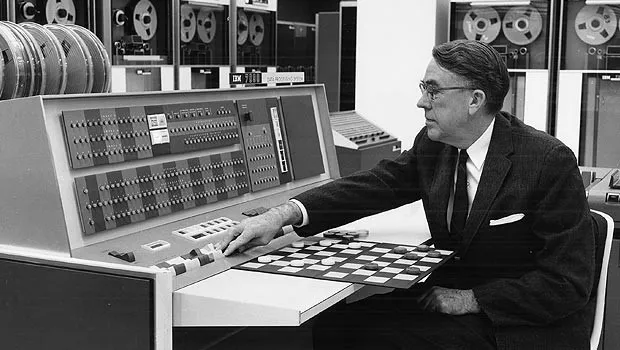
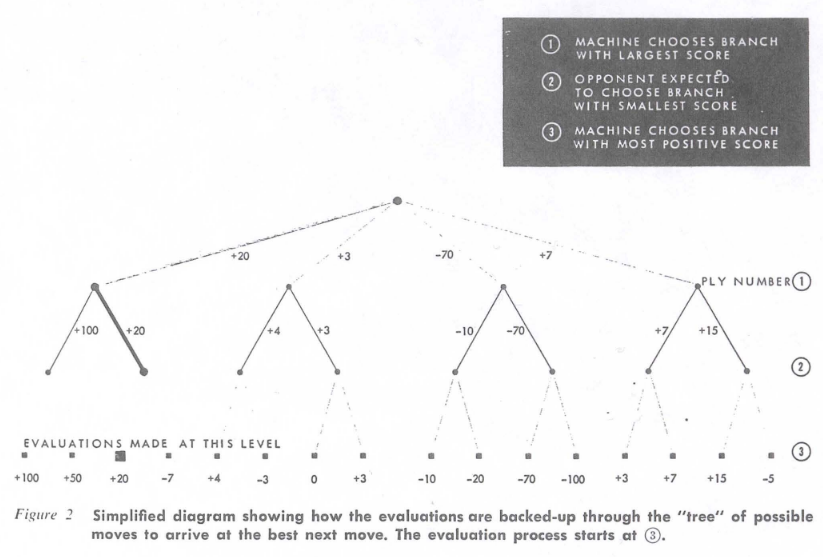
Samuel, A. L. (1959). Some Studies in Machine Learning Using the Game of Checkers. IBM Journal of Research and Development, 3, 210--229.
A brief and selective history of AI
1940
1945
1950
1955
1960
1965
1970
1975
1980
1985
1990
1995
2000
2005
2010
2015
2020
2025
^
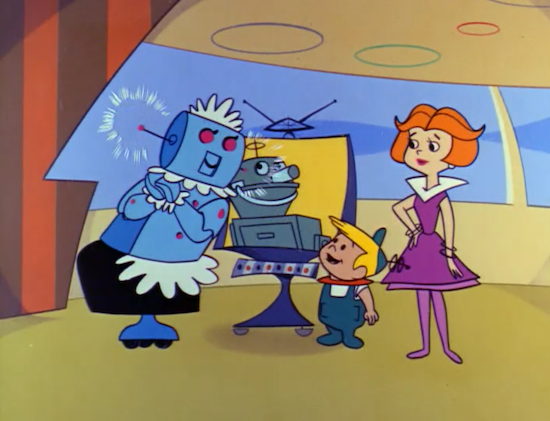
The Jetsons (1962). "Rosie the Robot".
A brief and selective history of AI
1940
1945
1950
1955
1960
1965
1970
1975
1980
1985
1990
1995
2000
2005
2010
2015
2020
2025
^
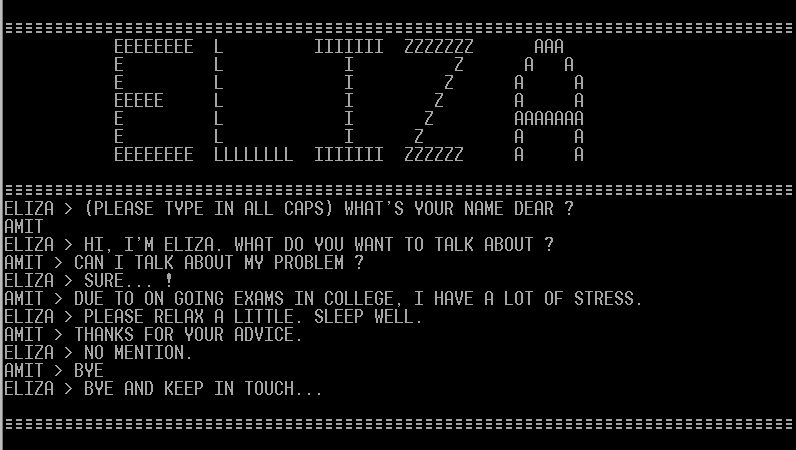
1964 - 1967. ELIZA. Joseph Weizenbaum.
A brief and selective history of AI
1940
1945
1950
1955
1960
1965
1970
1975
1980
1985
1990
1995
2000
2005
2010
2015
2020
2025
^

1975. Pet Rock.
A brief and selective history of AI
1940
1945
1950
1955
1960
1965
1970
1975
1980
1985
1990
1995
2000
2005
2010
2015
2020
2025
^
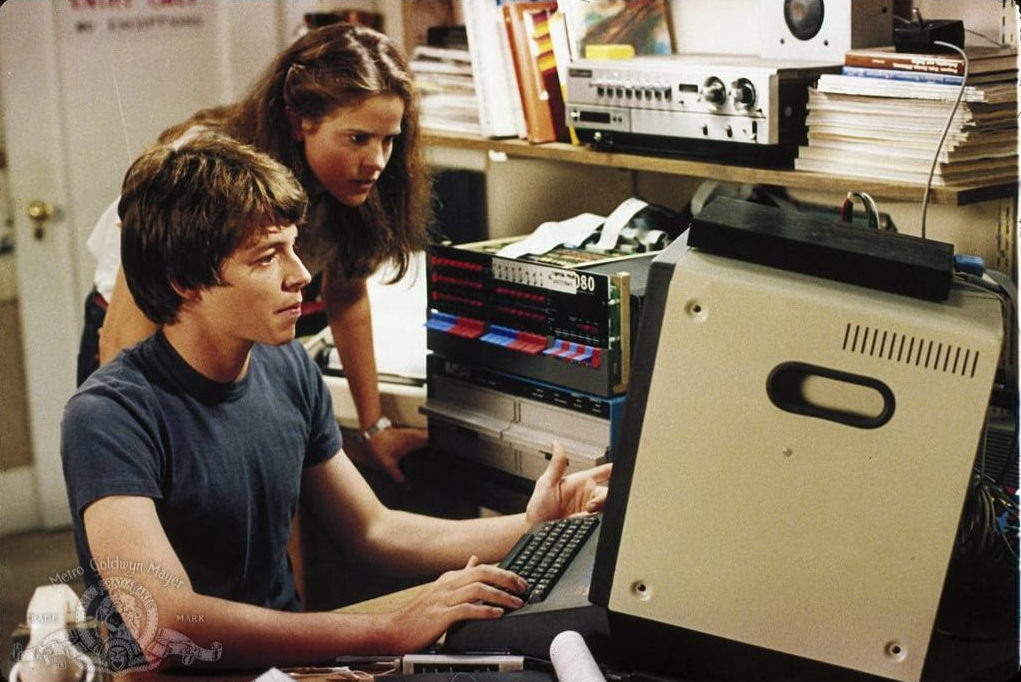
1983. Wargames.
A brief and selective history of AI
1940
1945
1950
1955
1960
1965
1970
1975
1980
1985
1990
1995
2000
2005
2010
2015
2020
2025
^
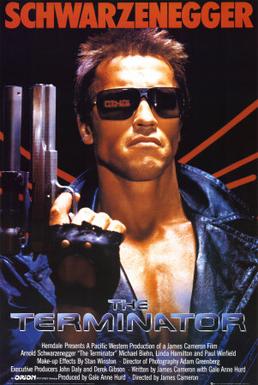
1984. The Terminator.
A brief and selective history of AI
1940
1945
1950
1955
1960
1965
1970
1975
1980
1985
1990
1995
2000
2005
2010
2015
2020
2025
^
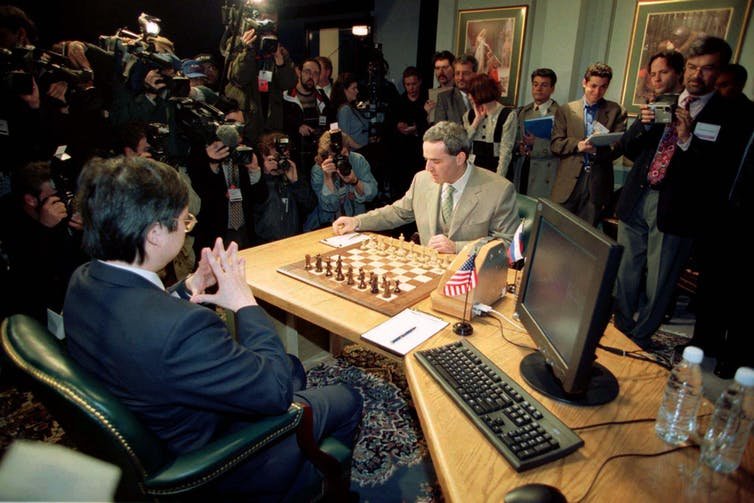
1996. Kasparov defeats IBM's Deep Blue.
A brief and selective history of AI
1940
1945
1950
1955
1960
1965
1970
1975
1980
1985
1990
1995
2000
2005
2010
2015
2020
2025
^
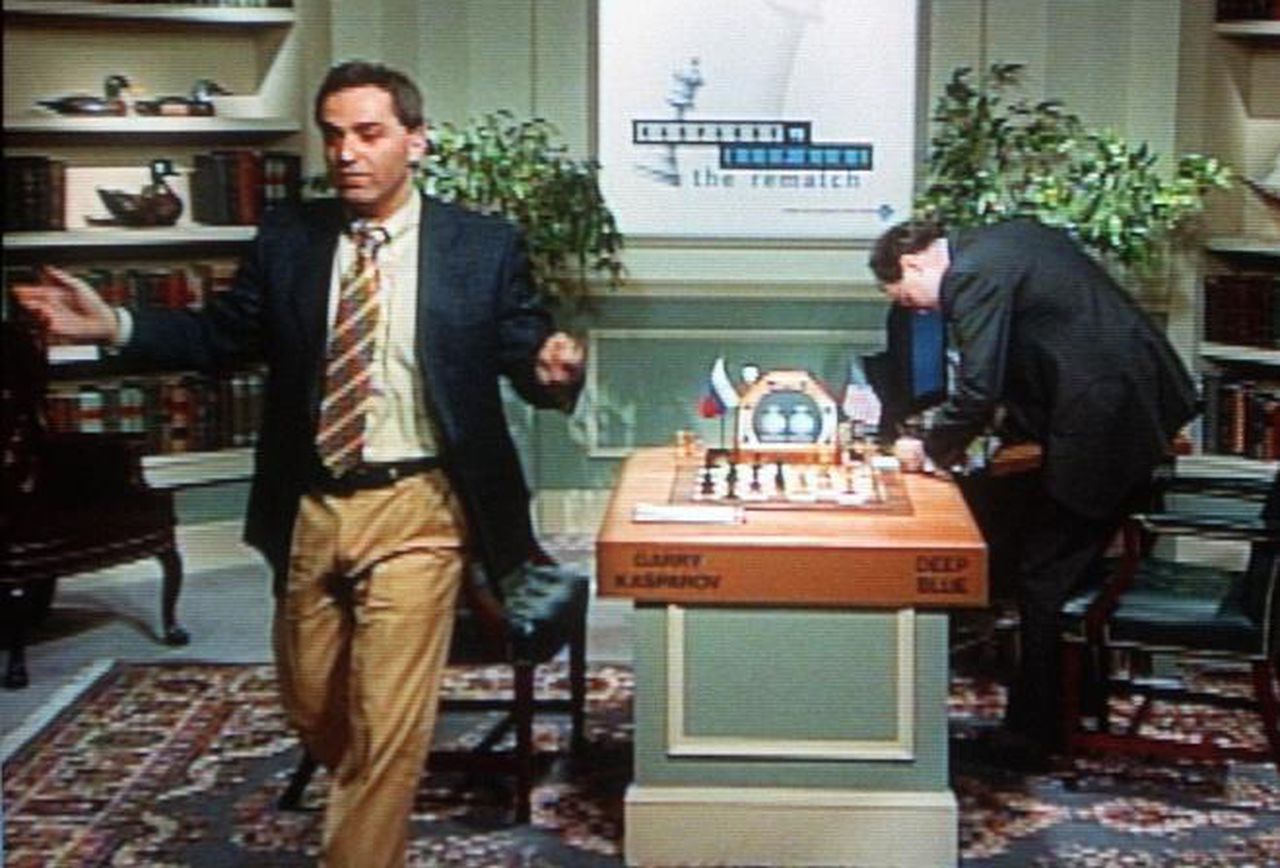
1997. Deep Blue defeats Gary Kasporav.
A brief and selective history of AI
1940
1945
1950
1955
1960
1965
1970
1975
1980
1985
1990
1995
2000
2005
2010
2015
2020
2025
^
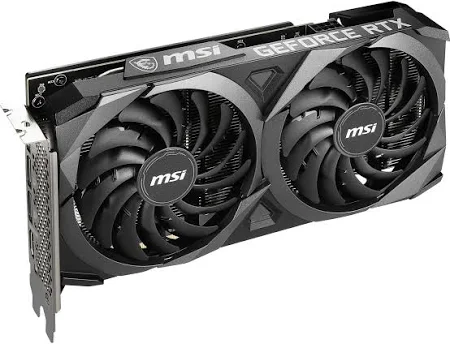
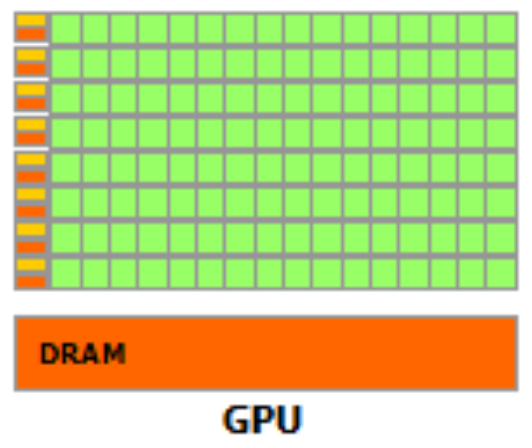
2007. NVidia CUDA - A software interface for GPUs, making it much easier to write code that is highly parallelized.
A brief and selective history of AI
1940
1945
1950
1955
1960
1965
1970
1975
1980
1985
1990
1995
2000
2005
2010
2015
2020
2025
^
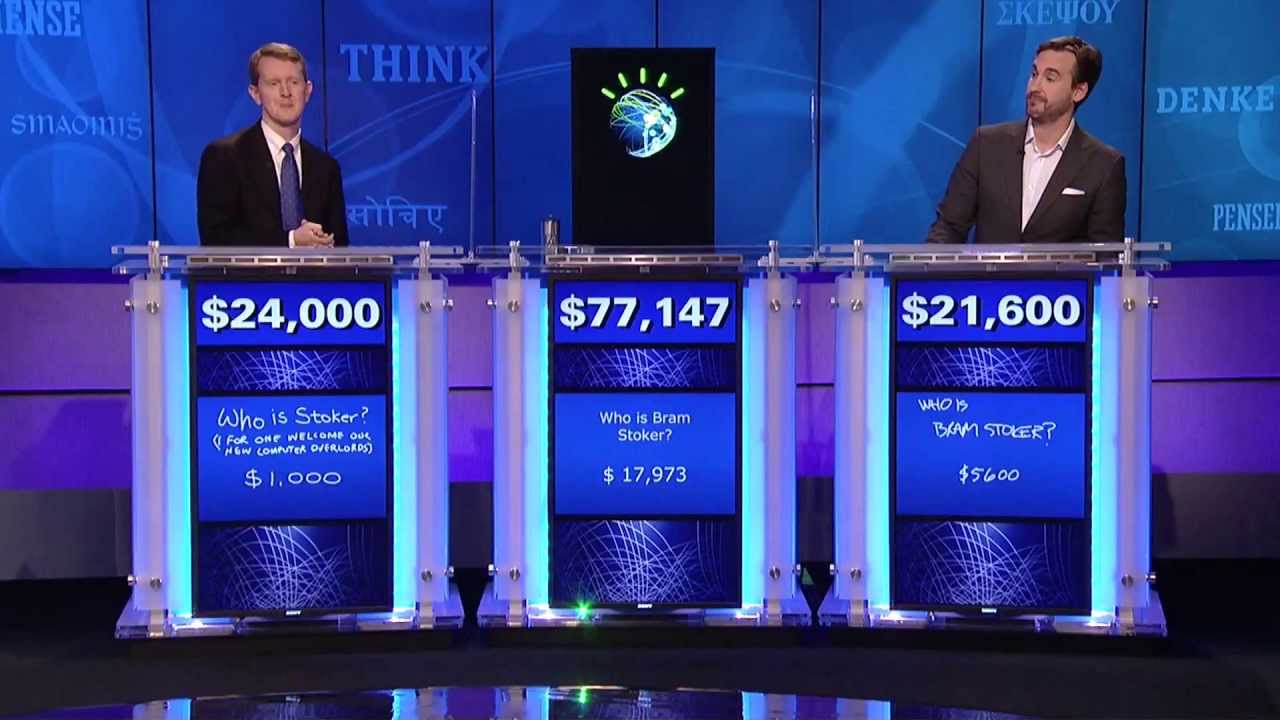
2011. IMB's Watson beats Ken Jennings and Brad Rutter in Jeopardy!
A brief and selective history of AI
1940
1945
1950
1955
1960
1965
1970
1975
1980
1985
1990
1995
2000
2005
2010
2015
2020
2025
^
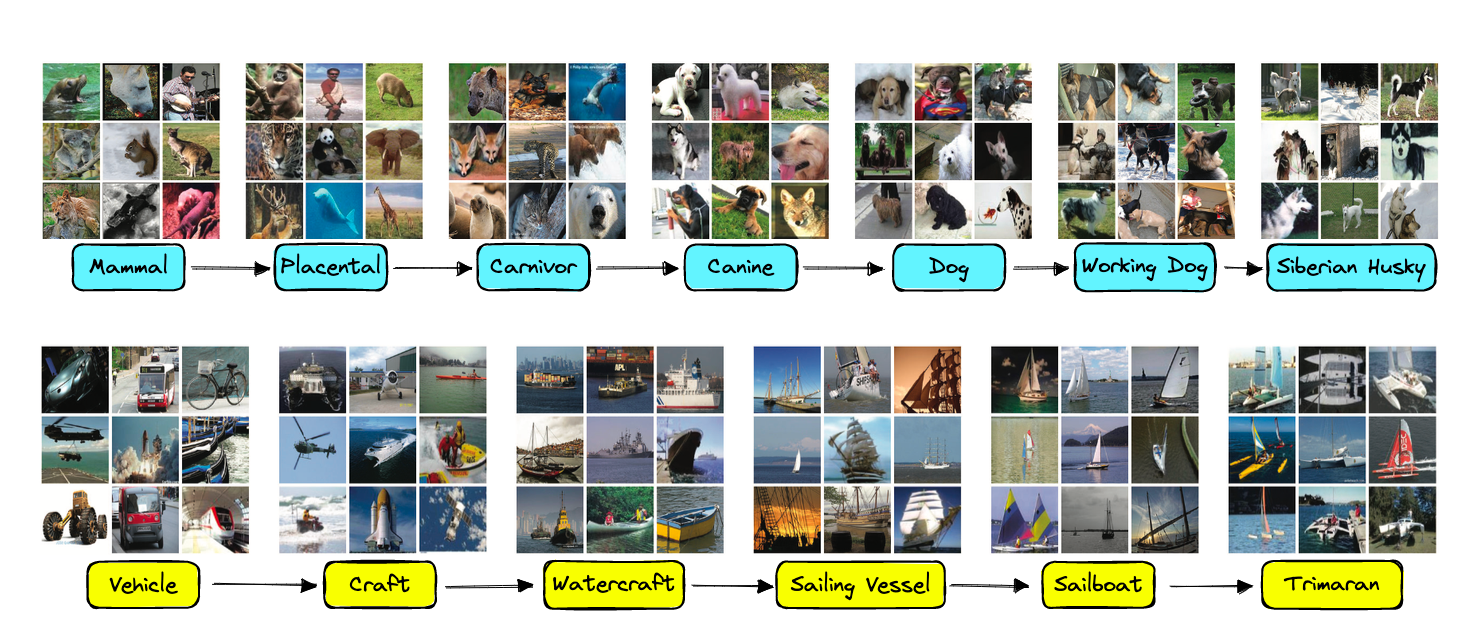
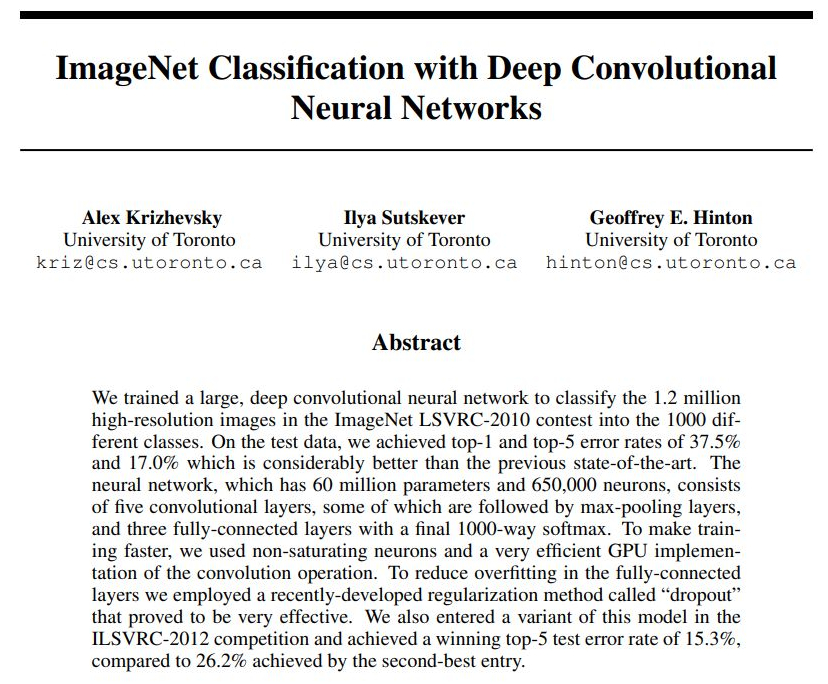
2012. AlexNet.
A brief and selective history of AI
1940
1945
1950
1955
1960
1965
1970
1975
1980
1985
1990
1995
2000
2005
2010
2015
2020
2025
^
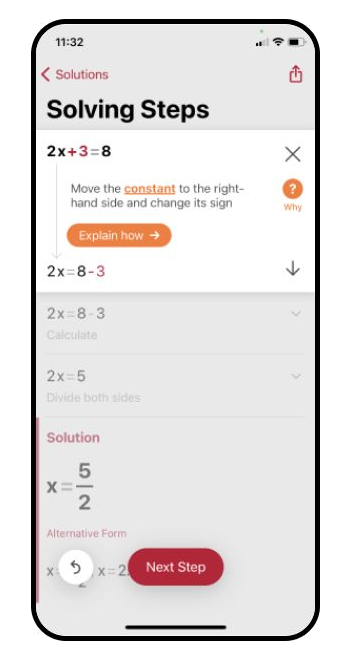
2014. PhotoMath.
A brief and selective history of AI
1940
1945
1950
1955
1960
1965
1970
1975
1980
1985
1990
1995
2000
2005
2010
2015
2020
2025
^
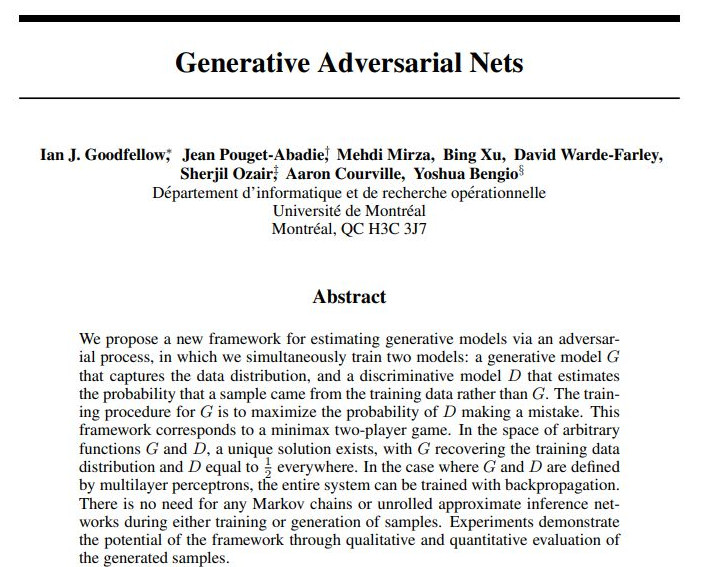
2014. Generative Adversarial Networks.
A brief and selective history of AI
1940
1945
1950
1955
1960
1965
1970
1975
1980
1985
1990
1995
2000
2005
2010
2015
2020
2025
^
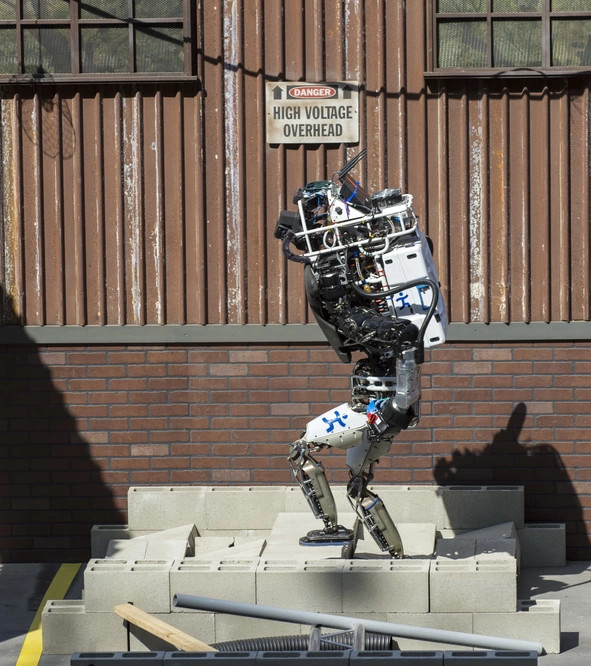
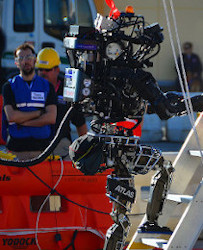
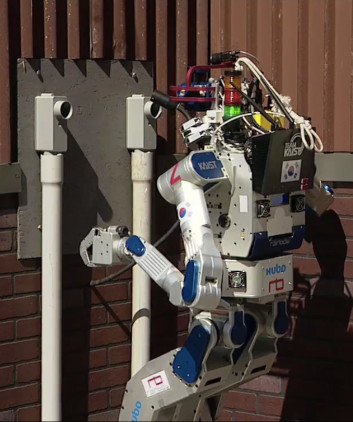
2013-2015. DARPA Robotics Challenge.
A brief and selective history of AI
1940
1945
1950
1955
1960
1965
1970
1975
1980
1985
1990
1995
2000
2005
2010
2015
2020
2025
^
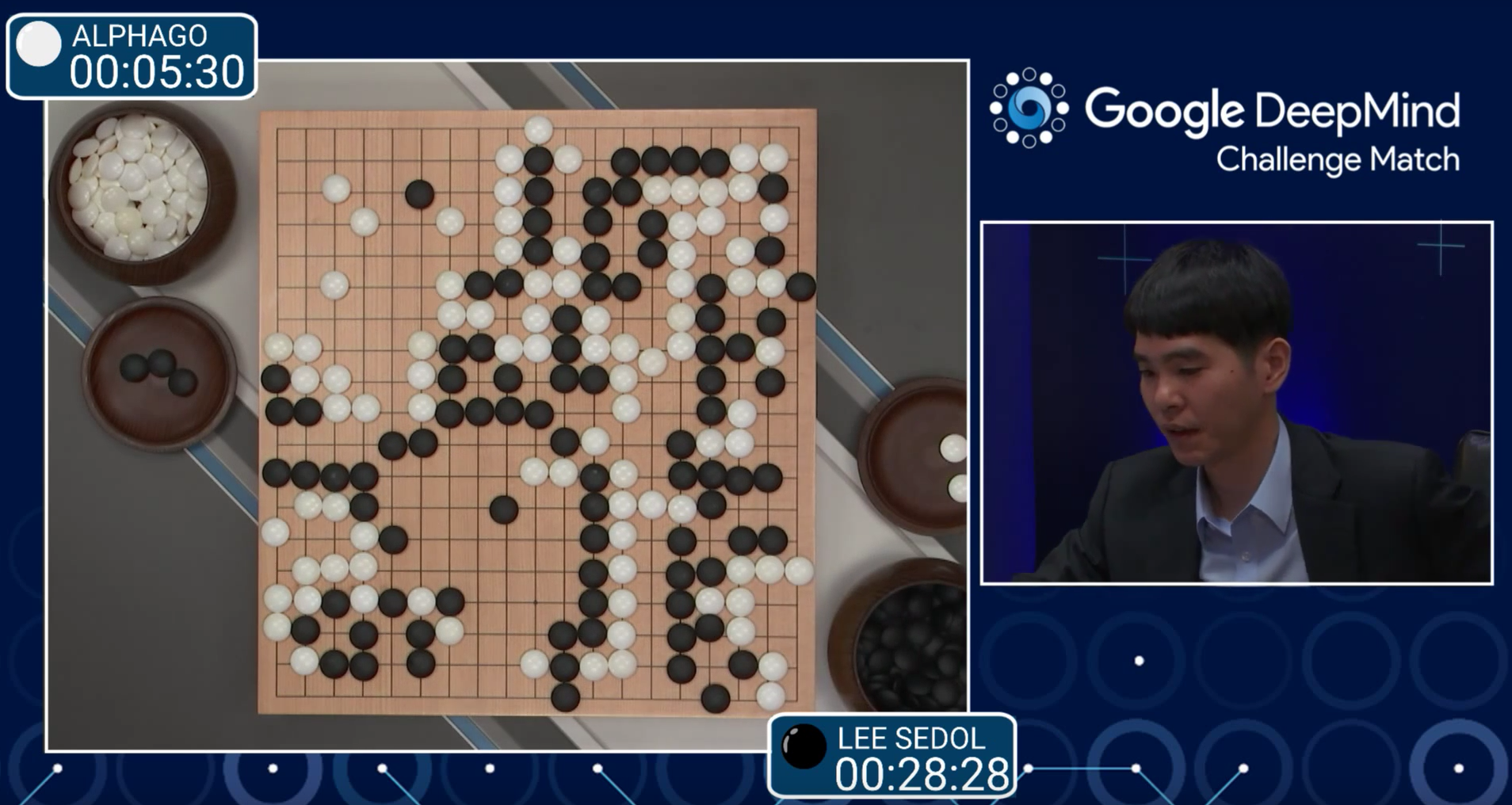
2016. AlphaGO beats Lee Sudol 4-1 in five game match.
A brief and selective history of AI
1940
1945
1950
1955
1960
1965
1970
1975
1980
1985
1990
1995
2000
2005
2010
2015
2020
2025
^
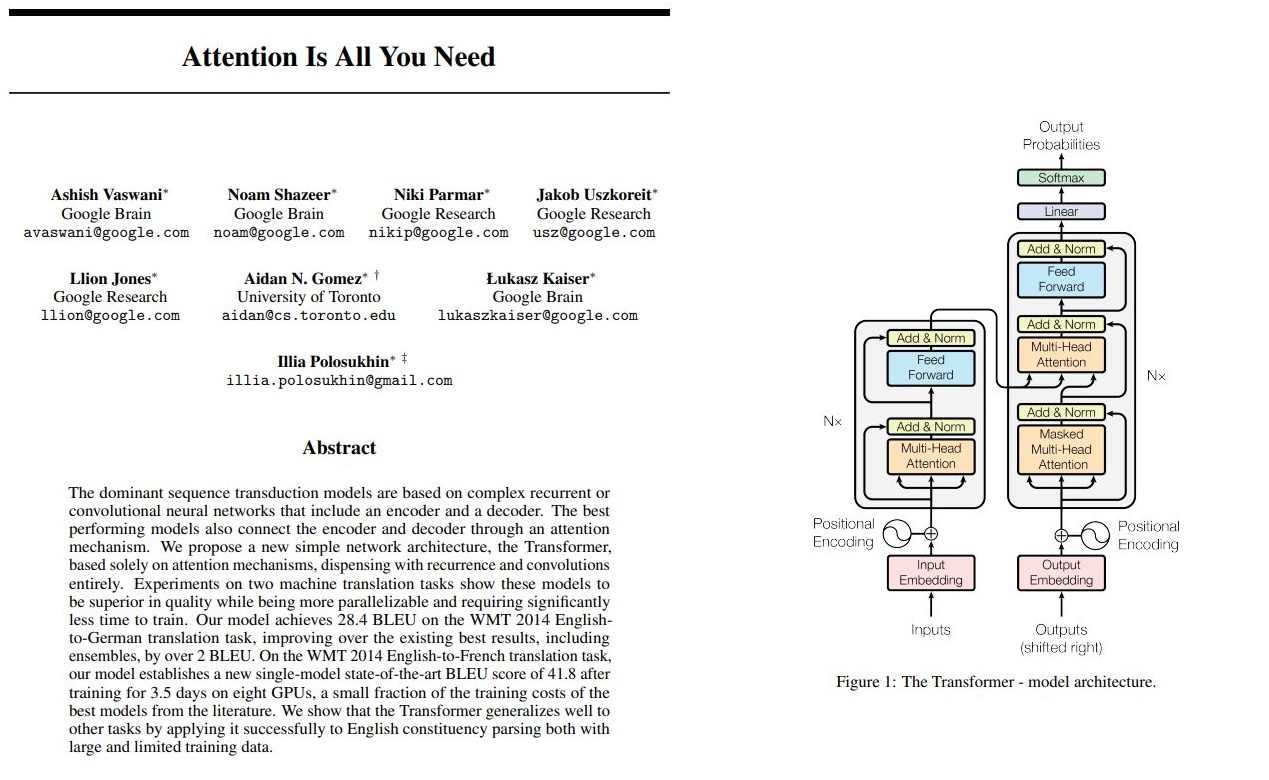
2017. Attention Is All You Need.
A brief and selective history of AI
1940
1945
1950
1955
1960
1965
1970
1975
1980
1985
1990
1995
2000
2005
2010
2015
2020
2025
- AlphaFold (2020)
- DALL E (2021)
- Midjourney (2022)
- Stable Diffusion (2022)
- Chat GPT (2022)
- LLaMA (2023)
- Mistral 7B (2023)
- Sora (2024)
- Gemma (2024)
Arthur Lee Samuel

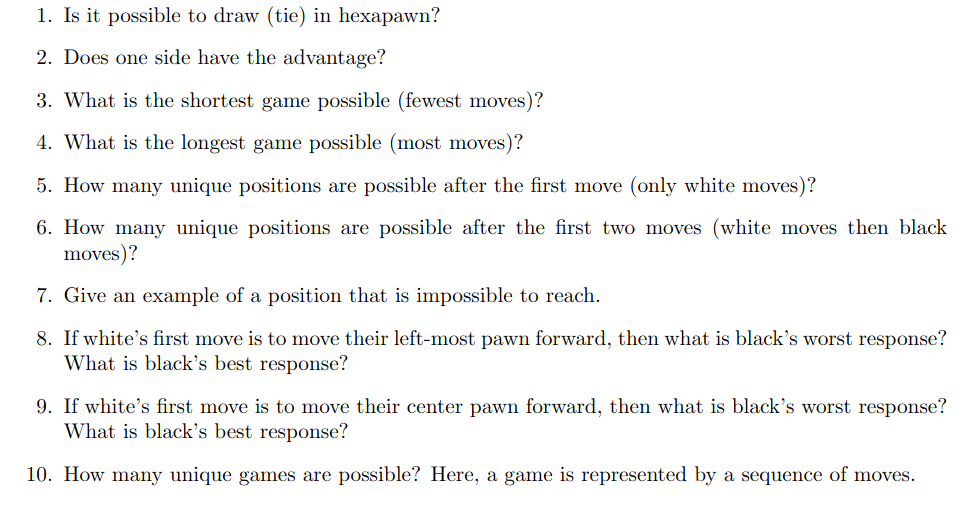
Hexapawn is a mini chess variant, popularized by Martin Gardner.
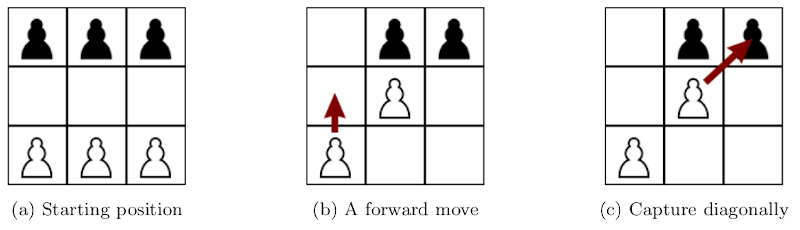 White moves first. A piece can either move forward if the space in front of it is empty, or capture an opponent’s piece diagonally.
A player wins when:
White moves first. A piece can either move forward if the space in front of it is empty, or capture an opponent’s piece diagonally.
A player wins when:
- One of their pawns reaches the other side
- They capture all of their opponent's pieces
- It is their opponent's turn and there is no legal move
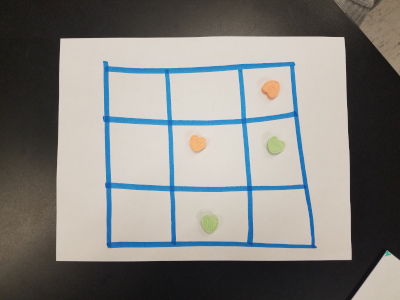
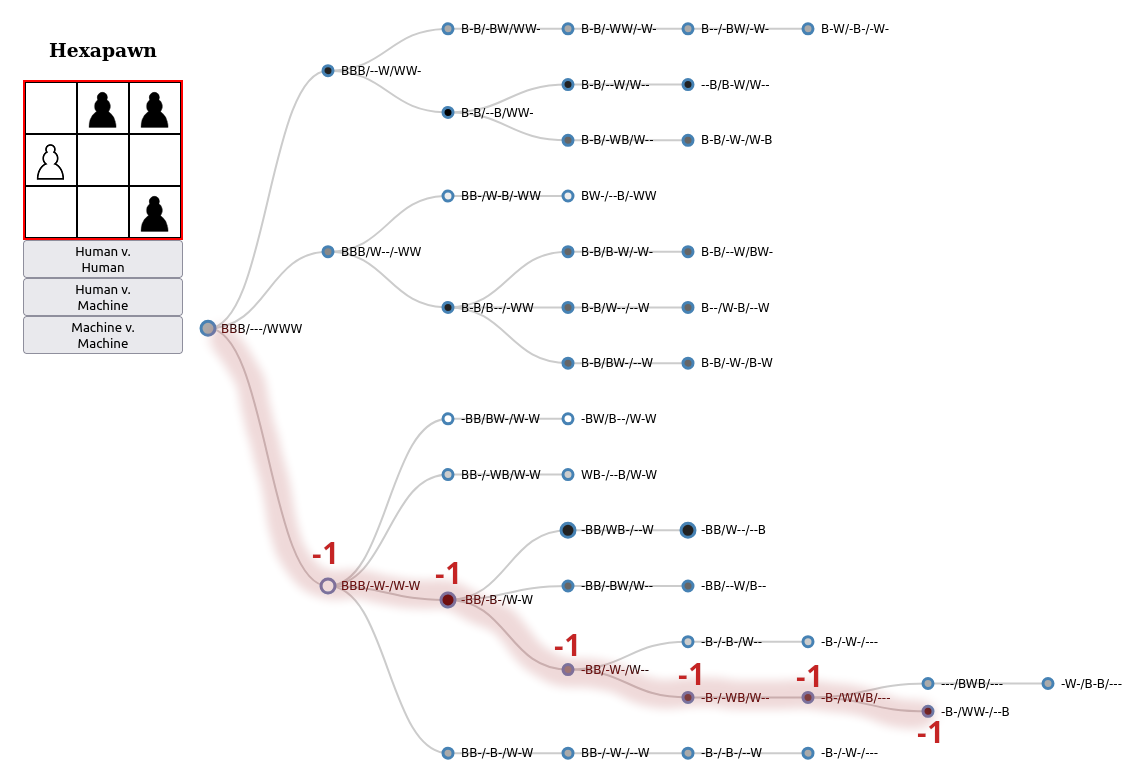
Each position has a value, and each time a game ends, every position from that game gets +1 for player 1 win, or -1 for player 2 win